
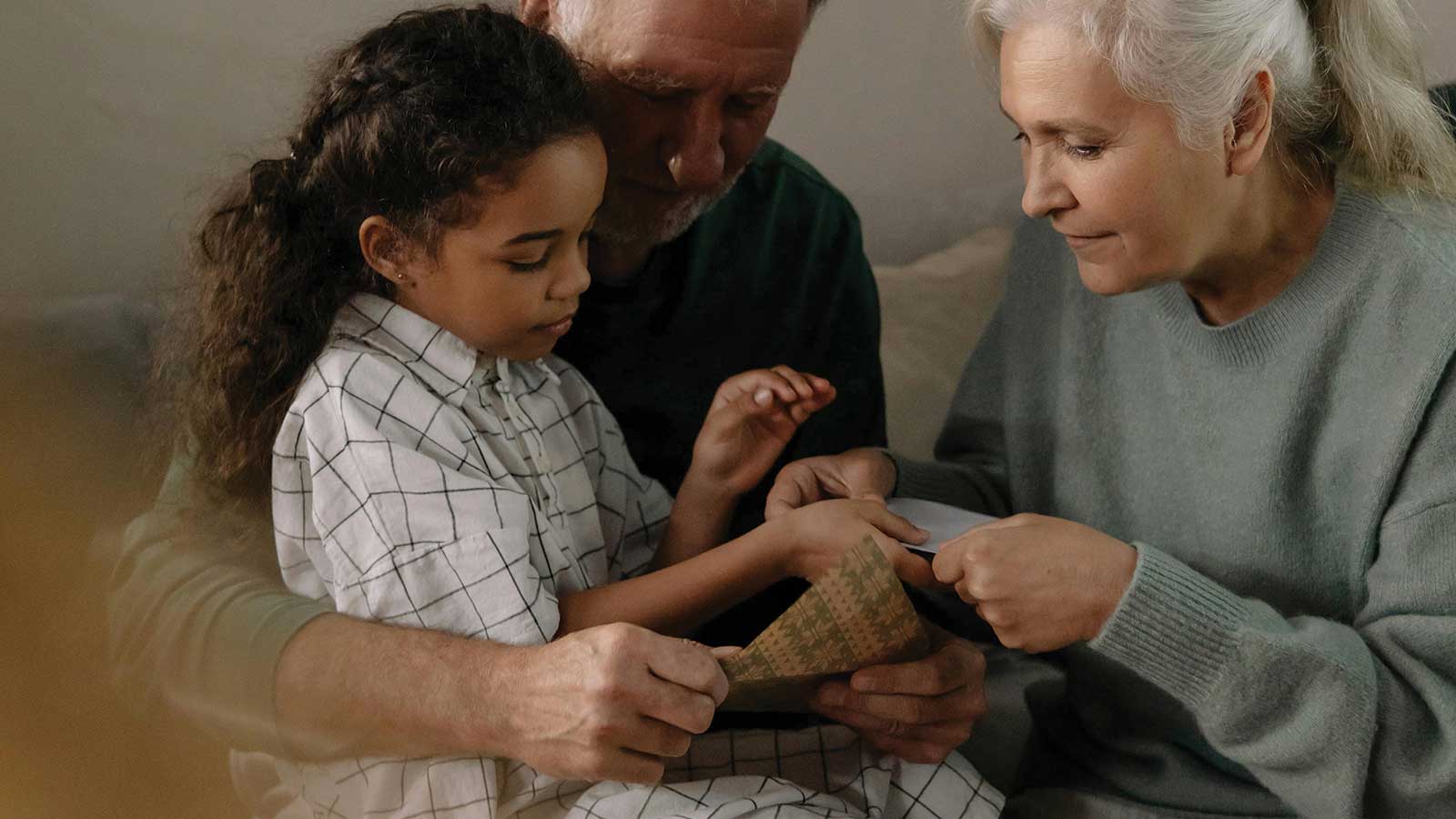
Grandparents often play a central role in the lives of their grandchildren, offering love, stability, and support. However, when relationships break down—whether between parents or between parents and grandparents—access to grandchildren can become limited or even blocked.
While family mediation provides a constructive way to resolve such disputes, there are cases where court intervention may be necessary. In these situations, grandparents can apply for a Child Arrangements Order under Section 8 of the Children Act 1989. This article outlines the steps grandparents can take, balancing legal procedures with the potential for mediation to support family relationships.
Step 1: Mediation—The First Step
Before taking court action, grandparents are required to attend a Mediation Information and Assessment Meeting (MIAM). This step ensures that mediation is explored as an alternative to court, as it can often lead to quicker, less stressful, and more cost-effective solutions.
How Mediation Helps:
- Encourages constructive communication between parties.
- Focuses on the needs and well-being of the child.
- Helps families find mutually agreeable solutions without court involvement.
If the parents are unwilling to engage in mediation or an agreement cannot be reached, the mediator will issue a Form FM1. This certificate confirms that mediation has been attempted and allows grandparents to proceed with a court application.
Step 2: Seeking Permission (Leave) to Apply
Grandparents do not have automatic legal rights to make an application for a Child Arrangements Order. Instead, they must first seek the court’s permission (leave) to apply.
What the Court Considers:
When deciding whether to grant permission, the court evaluates several factors under Section 10(9) of the Children Act 1989:
- Connection to the Child: The nature and quality of the relationship between the grandparent and the child.
- Motivation for Applying: Whether the application is genuinely in the child’s best interests.
- Impact on the Child: Whether the application might disrupt the child’s stability or cause harm.
- The Child’s Welfare: The child’s well-being remains the court’s primary focus throughout the process.
Practical Steps for Permission:
- Complete Form C100 – The form is used to apply for both permission and the Child Arrangements Order itself.
- Provide Supporting Evidence – Include details about the relationship and reasons for seeking contact or residence.
- Pay the Court Fee – Currently £232, although financial assistance may be available through Form EX160 for those eligible.
If permission is granted, the case moves forward to consider the specifics of the application for arrangements.
Step 3: Applying for a Child Arrangements Order
Once permission is secured, grandparents can formally apply for a Child Arrangements Order. This order can define:
- Contact Arrangements – Regular visits, phone calls, video calls, or overnight stays.
- Residence Arrangements – In rare cases, where the grandparent becomes the primary caregiver, the order can outline living arrangements.
Court Process for Child Arrangements:
- First Hearing Dispute Resolution Appointment (FHDRA): The court encourages negotiation and may involve Cafcass to assess any welfare concerns.
- Fact-Finding Hearing (if needed): This occurs if serious allegations, such as abuse, are raised.
- Final Hearing: If no agreement is reached, a judge decides on the arrangements based on the evidence provided.
What if Permission is Refused?
If the court refuses permission, grandparents cannot proceed with their application. However, they may have the option to appeal the decision if there are valid grounds to believe the decision was flawed. In such cases, legal advice may be helpful.
When is Permission Not Required?
In certain circumstances, grandparents do not need to seek permission before applying for a Child Arrangements Order. These include:
- If the child has lived with them for at least three years in the last five years.
- If they already have a residence order or special guardianship order for the child.
- If they are named as the child’s guardian under a formal agreement.
Alternative Options for Grandparents
While court applications can be necessary, it is important to explore all alternatives first. Mediation often remains the most constructive route, particularly when relationships can still be repaired.
Why Mediation Shouldn’t Be Overlooked:
- Reduces Conflict: Court proceedings can escalate tensions, while mediation aims to rebuild trust.
- Child-Focused Outcomes: Mediation prioritises what is best for the child.
- Flexible Agreements: Families can create bespoke arrangements that meet their specific needs.
- Less Expensive and Faster: Mediation is typically quicker and more affordable than lengthy court processes.
For families where emotions are high, mediators are skilled in managing conflicts and guiding discussions towards workable solutions.

Costs and Financial Support
The fee to apply for a Child Arrangements Order is currently £232. However, grandparents may be eligible for fee exemptions if they are on certain benefits or low income.
While legal aid is generally unavailable for private family law cases, it may be accessible where domestic abuse or child welfare issues are involved. Mediators can help assess eligibility and provide referrals where needed.
Final Thoughts
Grandparents often face complex emotional and legal challenges when seeking to maintain relationships with their grandchildren. While the court provides a structured process through Child Arrangements Orders, mediation offers an opportunity to resolve disputes in a more collaborative and child-focused way.
For many families, mediation can prevent the need for court proceedings altogether. Even when court becomes unavoidable, attending mediation first demonstrates a genuine effort to resolve the matter amicably—something judges are likely to look favourably upon.
If you are a grandparent considering this process, working with a qualified family mediator can help you explore your options and support you through what can often be a difficult journey.
What To Do Now
If you’re considering divorce or separation, family mediation offers a constructive, cost-effective way to resolve disputes without the stress and expense of going to court. By working with a professionally trained mediator, you can reach practical agreements that reflect the needs and interests of everyone involved — especially children.
At We Mediate, we provide a comprehensive range of services to support you through every stage of your separation. Our experienced and accredited mediators help you navigate complex issues such as financial arrangements, child contact schedules, co-parenting strategies, and communication challenges, all in a safe and confidential setting.
We believe every family deserves a fair, respectful, and accessible path through separation. Our focus is on creating balanced outcomes that prioritise the wellbeing of all parties, and our commitment to affordability means we can support families across England and Wales, no matter their circumstances.
Before starting mediation, you will need to attend a MIAM — a Mediation Information and Assessment Meeting. This is a confidential one-to-one session with an accredited family mediator, where you’ll learn more about how mediation works and whether it’s suitable for your situation. We can usually arrange MIAMs quickly, often within 24–48 hours, with daytime and evening appointments available. Book your MIAM today to take the first step towards resolving matters in a more cooperative and less adversarial way.
If you’re ready to explore a more amicable approach to divorce or separation, we invite you to browse our website or contact us directly. Whether you’re just beginning to consider your options or are already in the midst of proceedings, our team is here to guide and support you at every stage. Schedule your consultation today and discover how mediation can help you move forward with clarity and confidence.
You can call us on 0333 567 1676 or click here to send us a confidential email.


